Blog
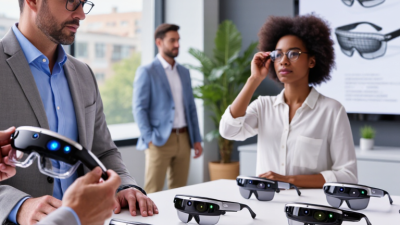
How to Source AI Smart Glasses in 2026?
Sourcing AI Smart Glasses in 2026 requires more than comparing frames, cameras, and wholesale prices. Buyers must examine the complete product ecosystem. That includes optical quality, battery performance, audio clarity, artificial intelligence features, mobile compatibility, and after-sales support. A polished sample can hide weak hinges, overheating, or unreliable voice recognition. Test everything.
Mark Zuckerberg, Meta’s founder and CEO, said, “I think that AI glasses are going to be the next major computing platform after smartphones.” His statement reflects the industry’s direction, but it should not replace careful supplier evaluation. A promising demonstration is not proof of production readiness. Buyers need verifiable specifications, stable firmware, documented component sources, and realistic delivery schedules.
This guide explains how to identify capable manufacturers, request useful samples, and compare quotations without focusing only on the lowest price. It considers lens customization, prescription support, camera indicators, privacy controls, packaging, and repair procedures. Suppliers should also provide clear information about data handling and regional compliance requirements. Local regulations can affect cameras, wireless functions, labeling, and consumer protection obligations.
Some decisions remain difficult. A lighter frame may reduce battery capacity. More sensors may improve functionality while increasing heat and maintenance costs. No sourcing checklist is perfect. I have seen product evaluations become too technical and overlook everyday comfort, such as pressure behind the ears after two hours. Buyers should record those details. The strongest purchasing decision balances engineering evidence, user experience, supplier reliability, and responsible market entry.
Read more »
 By:Ethan
- October 10, 2026
By:Ethan
- October 10, 2026
Top 10 4G LTE Kids Smartwatch Types for Global Buyers?
The 4G LTE Kids Smartwatch is moving from a novelty product to a practical family communication tool. It combines calling, GPS location, school-time controls, and emergency alerts in a child-sized device. IDC’s Worldwide Quarterly Wearable Device Tracker reported strong global wearable demand in 2024, while Counterpoint Research’s Global Smartwatch Shipment Tracker showed continued growth in cellular-enabled watch categories. These reports do not isolate children’s watches perfectly. That limitation matters.
Ramon T. Llamas, a former IDC research director and wearable technology analyst, described the category’s direction clearly: “The smartwatch is becoming a standalone device.” His observation helps explain why LTE connectivity matters. A child can contact a parent without carrying a smartphone. However, network compatibility remains complicated. A watch designed for Europe may not support important LTE bands in North America or Southeast Asia. Buyers should check eSIM activation, roaming limits, location accuracy, battery endurance, and local privacy requirements.
This guide examines the Top 10 4G LTE Kids Smartwatch Types for Global Buyers. The comparison considers GPS performance, two-way calling, SOS response, geofencing, parental controls, water resistance, and app reliability. It also considers quieter details, such as whether the battery survives a full school day and whether a child can press the emergency button easily. No ranking is perfect. Marketing claims can look impressive beside a playground fence, yet real performance may change indoors, underground, or across borders. That is why practical testing and regional verification remain essential.
Read more »
By:Ethan
- October 10, 2026
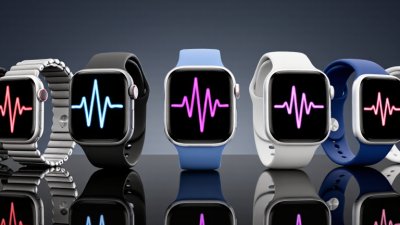
Top 10 EKG Smartwatches for Global Buyers
Heart health is becoming more visible on the wrist. The World Health Organization reports that cardiovascular diseases cause approximately 17.9 million deaths worldwide each year. That figure gives everyday monitoring a serious purpose. It also demands careful judgment.
The IDC Worldwide Quarterly Wearable Device Tracker recorded more than 537 million wearable-device shipments globally in 2024. However, not every wearable offers clinically meaningful electrocardiogram data. An EKG Smartwatch may capture a single-lead rhythm strip, flag possible irregularities, or help users share recordings with clinicians. It cannot replace a twelve-lead ECG, medical examination, or emergency care. Small differences matter. Sensor placement, software approval, battery life, skin contact, and regional availability can change the experience.
Cardiologist and digital-health researcher Dr. Eric Topol famously said, “The smartphone is the stethoscope of the 21st century.” His observation reflects a wider shift toward patient-generated health data. Yet convenience can encourage overconfidence. A notification is not a diagnosis. A normal reading is not permanent reassurance. This guide compares the Top 10 EKG Smartwatches for Global Buyers through practical and evidence-aware criteria, including recording quality, regulatory transparency, app usability, privacy controls, and clinician sharing. Product claims were considered alongside manufacturer documentation and independent industry research. Some rankings remain debatable, because regional certifications and software features change quickly. That is an important limitation, not a footnote.
Read more »
By:Ethan
- October 10, 2026