Featured Hardware & Smart Electronics Ready for Ghana Sourcing
Factory-direct IoT hardware, wireless communication devices, smart audio, and learning terminals engineered under rigorous ISO 9001:2015 quality standards.
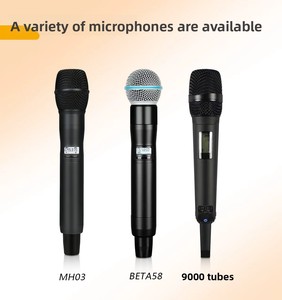
Factory Bulk Supply Hot Selling Profession Customization Supported Handheld Wireless Karaoke Microphone
View Product Details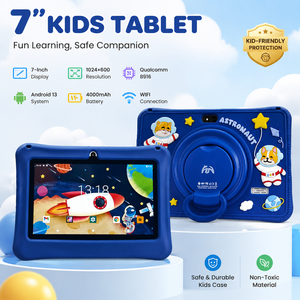
Super Cheap High Quality 7Inch Kids Tablet 12+256GB Android13 Qualcomm8916 Quad-Core Capacitive Screen WiFi Learning Games Photo
View Product Details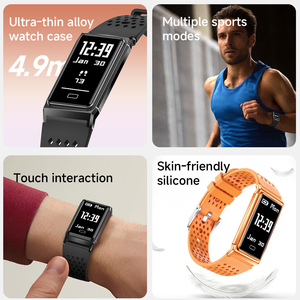
Glue Filled 5ATM Waterproof Smart Bracelet Heart Rate Spo2 Sleep Pedometer Women's Cycle Workout Fitness Tracker
View Product Details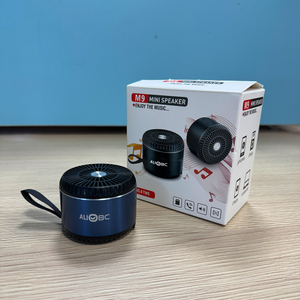
ALIOBC Smart Speaker
View Product Details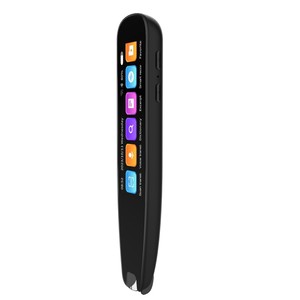
S8 PRO Translation Pen IPS Display Global Voice Translation Text Reader Smart AI Portable Translator with Speech Recognition
View Product Details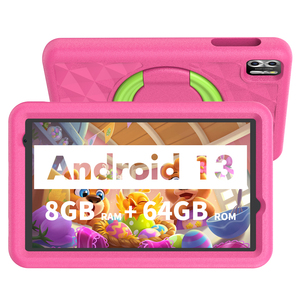
B8K-L8 Wholesale Tablet PC Android 14 Tablet Wifi 4GB+64GB s Unbreakable New Kids Learning Tablet for Kids
View Product Details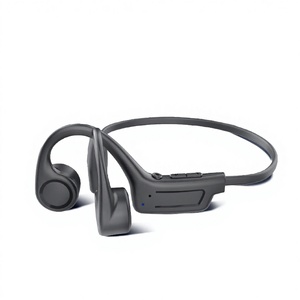
Bone Conduction Neckband Sports Wireless Stereo Earphones Open Ear for V5.4 Headphones IPX-5 Waterproof
View Product Details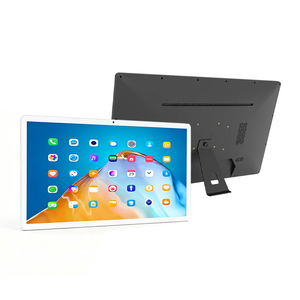
New 10.1" Android 11/12/13/14 Tablet PC Touch Screen Rockchip Octa Core Wi-Fi NFC RJ45 GSM 4G 5G 2GB RAM 64GB Kids Educational
View Product DetailsNavigating the Security Evolution in Ghana’s Real Estate & Smart Home Sector
An in-depth analysis of West Africa’s rapid urban expansion, residential perimeter security demands, and the necessity of power-resilient video doorbell hardware.
Urban Migration & High-End Residential Growth
The Greater Accra Metropolitan Area (GAMA)—encompassing fast-growing residential hubs such as East Legon, Cantonments, Airport Residential Area, Spintex, and Oyibi—alongside Kumasi’s expanding suburban corridors (Ahodwo, Hill Top, and Ridge), is undergoing an unprecedented real estate modernization surge. Developers and homeowners are rapidly replacing legacy analogue intercoms and basic doorbell chimes with intelligent, cloud-connected video doorbells.
Modern Ghanaian property buyers prioritize perimeter visibility, instant smartphone app alerts when visitors approach security gates, and two-way audio verification before granting remotely controlled gate access. However, exporting smart home hardware to Ghana requires addressing specific environmental and infrastructural realities unique to the region.
Infrastructural Realities: Grid Volatility & Data Connectivity
Electrical grid fluctuations and localized load-shedding events (locally known as dumsor) present significant operational hurdles for traditional hardwired security cameras. Smart video doorbells serving the Ghanaian market must feature high-capacity internal lithium-ion battery buffers (5200mAh to 10000mAh) or integrated trickle-charge solar panels capable of sustaining 24/7 standby mode during extended blackout cycles.
Furthermore, while fiber broadband footprint is accelerating in commercial districts, many gated communities rely primarily on cellular networks (MTN Ghana, Telecel Ghana, and AT Ghana). Exporting smart video doorbells with dual-mode connectivity—supporting both 2.4GHz Wi-Fi and 4G LTE SIM cards—ensures zero video packet loss and instant P2P push notifications even in outer metro zones.
Engineering & Architectural Deployment Across Ghanaian Properties
Tailored hardware specifications engineered to withstand tropical climate extremes, Harmattan dust storms, and varied perimeter entry gate structures.
Gated Estate Compound Gates
In multi-tier security homes across Cantonments and Trasacco Valley, doorbells are installed on exterior perimeter masonry walls or heavy wrought-iron security gates, far from the central home router.
- Long-range Wi-Fi antenna modules (+5dB gain booster)
- Wireless RF 433MHz internal chime with 150m penetration
- Solar panel mounts designed for tropical zenith solar angles
Harmattan & Monsoon Weatherproofing
The dry Harmattan season (December to February) blows fine silica dust from the Sahara, while the rainy season brings torrential downpours with 90%+ relative humidity in southern Ghana.
- IP65 & IP66 certified silicone-gasketed enclosures
- Hydrophobic lens coatings preventing rainwater distortion
- Dust-sealed optical IR night vision assemblies
Commercial Outlets & Office Parks
Commercial buildings in Ridge, Osu, and Tema Industrial Zone require video doorbells integrated with electronic strike locks to manage after-hours deliveries and staff access validation.
- Dry contact relay ports for magnetic lock triggers
- Multi-user app account sharing (up to 20 sub-administrators)
- On-vessel ONVIF / RTSP streams for NVR integration
Emerging Technological Trends in West African Security Electronics
Key architectural enhancements demanded by Ghanaian security distributors, electrical contractors, and real estate integrators.
1. Edge-AI Human Shape Detection vs. PIR Motion Sensing
Legacy Passive Infrared (PIR) motion sensors trigger excessive false alarms in hot tropical environments due to thermal currents, passing vehicles, or wandering domestic animals. Modern OEM doorbells export-ready for Ghana feature dual-engine detection: combining physical PIR heat sensing with localized AI Convolutional Neural Network (CNN) algorithms running on the edge chipset.
This ensures that homeowners only receive push alerts when an actual human steps into the doorway zone, conserving battery life and reducing bandwidth usage on mobile cellular plans.
2. Hybrid Storage Architecture (MicroSD Local + Cloud)
A primary friction point for smart device adoption in Ghana is the requirement for international credit card payments for monthly cloud subscriptions. To address this search intent, top-tier video doorbell manufacturers engineer hybrid storage systems.
Devices support encrypted local MicroSD cards (up to 256GB Class 10/U3) for continuous loop recording, alongside optional Tuya / Smart Life cloud storage compatibility. Local encryption ensures data privacy even if the physical outdoor unit is damaged or stolen.
Why Importers & Distributors Choose Our Shenzhen Production Lines
Operating a 10,000+ sqm state-of-the-art electronics facility with strict ISO 9001 quality management, backing global brands with reliable ODM/OEM production.
Rigorous Quality Assurance & Low Defect Guarantee
With over 16 years of smart wearable and IoT manufacturing heritage (incorporated in 2013 from an engineering core operating since 2010), our factory enforces a comprehensive 4-step Quality Control (QC) protocol on every production batch:
- 100% Functional & Optical Testing: Full sensor calibration, Wi-Fi/Bluetooth/4G module RF verification, microphone gain, and speaker clarity check.
- Display & Camera Lens Inspection: Zero-dead-pixel policy, anti-glare alignment, and 1080P/2K glass lens distortion checks.
- 48-Hour High-Temperature Battery Aging: Accelerated charge-discharge cycling to eliminate early cell failures prior to packaging.
- Waterproof Pressure Testing: Pneumatic seal testing ensuring true IP65–IP68 weather resistance under tropical rainfall conditions.
End-to-End OEM/ODM & Regulatory Compliance
Supported by 70+ in-house R&D engineers, we provide complete hardware, firmware, and companion application customization for Ghanaian security companies and brand owners.
- White-Label Customization: Silk-screen logo printing, laser engraving, customized startup screens, and bespoke retail box design from 1,000 units.
- Self-Owned International Certifications: ISO 9001:2015, CE (RED), FCC Part 15, RoHS, REACH, WEEE, CA Prop 65, and GCC certified.
- Fast Lead Times: Standard samples shipped in 10–15 days (7-day rush option); white-label mass orders completed in 15–25 days; OEM repeat runs in 30–45 days.
- 100% Client IP Protection: Strict non-disclosure agreements (NDAs) signed prior to technical exchange; all proprietary tooling and code belong to the client.
Frequently Asked Questions by Ghanaian Procurement Managers
Clear technical, regulatory, and commercial responses for B2B importers, security contractors, and retail chains in West Africa.
Expand Your Security Product Line in Ghana
Partner directly with an established Shenzhen smart hardware manufacturer. Request factory-direct B2B pricing, NDA agreements, and customized engineering samples within 24 hours.
Send an Inquiry