Featured Smart Wearable & Hardware Platforms
Engineered in our 10,000+ sqm Shenzhen facility, these validated product lines are fully customizable for Brazilian distributors, private brands, and healthcare providers under OEM/ODM agreements.

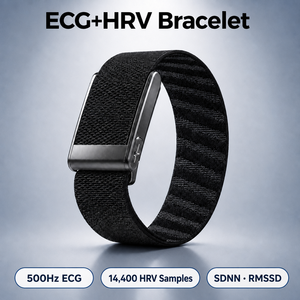
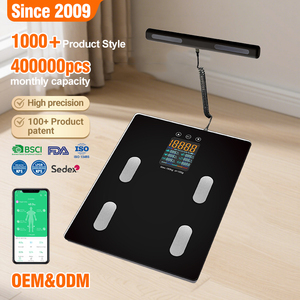
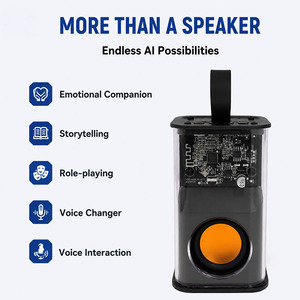
1. The Brazilian Diabetes & Non-Invasive Glucose Monitoring Landscape
Brazil represents one of the world’s largest and fastest-growing markets for preventive digital health technologies and smart wearable devices. According to the International Diabetes Federation (IDF) Diabetes Atlas, Brazil ranks among the top five countries globally in diabetes prevalence, with more than 16.8 million adults (aged 20–79) living with diabetes and an estimated 32 million individuals classified as pre-diabetic. The continuous strain on Brazil’s public healthcare infrastructure—the Sistema Único de Saúde (SUS)—alongside rising private health insurance coverage (e.g., Bradesco Saúde, Amil, SulAmérica) has catalyzed a massive paradigm shift from reactive acute care toward daily metabolic monitoring and corporate wellness management.
Traditional glycemic management in Brazil relies heavily on invasive capillary blood glucose testing (finger-prick lancets) or costly continuous glucose monitoring (CGM) systems requiring disposable subcutaneous sensors replaced every 10–14 days. For millions of health-conscious consumers, fitness enthusiasts, and pre-diabetic individuals across São Paulo, Rio de Janeiro, Belo Horizonte, and Brasília, non-invasive optical blood glucose smartwatches have emerged as a highly accessible alternative for daily glycemic trend tracking.
As a premier B2B manufacturer and original design manufacturer (ODM) headquartered in Shenzhen, China, Shenzhen Smareyetech Technology Co., Ltd. serves as a direct engineering partner to Brazilian technology brands, medical device distributors, e-commerce retailers, and corporate wellness integrators seeking custom-branded, high-precision glucose monitoring smartwatches.
2. Biomedical Architecture: How Optical Non-Invasive Glucose Sensing Works
Engineered to deliver high correlation with interstitial fluid glucose variations, Smareyetech's non-invasive glucose smartwatches utilize advanced multi-spectral Photoplethysmography (PPG) combined with optical absorbency ratios, Near-Infrared (NIR) spectroscopy, and proprietary artificial intelligence algorithms.
Multi-Wavelength PPG LEDs
Utilizes dual optical green (530nm), red (660nm), and Near-Infrared (NIR 940nm/1050nm) emitter arrays to penetrate subcutaneous tissue micro-vessels, measuring light absorption shifts caused by glucose molecular vibration.
PWV & Hemodynamic Analysis
Captures arterial pulse wave velocity (PWV), micro-vascular elasticity, and heart rate variability (HRV). Blood viscosity changes correlated with blood sugar concentration alter the reflected optical wave morphology.
AI Calibration Engine
On-chip neural network models compensate for biological variables including skin tone (Fitzpatrick I-VI scale), melanin density, ambient temperature, and movement artifacts, delivering accurate trend outputs in mg/dL and mmol/L.
Sensor Physics & Optical Subsystem Engineering
Our hardware optical assembly integrates high-sensitivity photodiode arrays (Texas Instruments / Osram Analog Front End) coupled with custom curved glass optics. The sensor module flashes non-visible near-infrared light into the dermal vascular bed. Glucose molecules absorb specific wavelengths within the optical spectrum. By calculating the differential ratio between reflected red light and NIR absorption, the embedded firmware calculates real-time estimations of blood sugar fluctuations, logging continuous background readings every 10 to 30 minutes to generate 24-hour glycemic trend curves.
3. Localized Application Scenarios across the Brazilian Market
Smareyetech’s OEM glucose monitoring smartwatches are engineered to adapt to the unique lifestyle, environmental, and institutional demands of South America’s largest economy.
Target Consumer & Institutional Use Cases in Brazil
- Urban Fitness & Metabolic Tracking (Rio & São Paulo): Popular among gym-goers, runners, and beach athletes along Copacabana and Parque Ibirapuera monitoring glycemic spikes during high-intensity training and carbohydrate intake (e.g., Açaí, tapioca, and high-protein diets).
- Corporate Health Plans (Programas de Saúde Corporativa): Deployed by enterprise HR departments in Financial Hubs like Avenida Paulista to incentivize employee active lifestyle choices and reduce collective healthcare insurance premiums.
- Elderly Home Care & Telehealth Integration: Used in senior care facilities in South/Southeast Brazil (Minas Gerais, Rio Grande do Sul) to provide remote family members with real-time app tracking for blood pressure, blood oxygen, heart rate, and glycemic trends.
- Tropical Climate & Humidity Resistance: Built with IP68 dust and waterproof sealants, anti-corrosion zinc-alloy casing, and sweat-resistant fluoroelastomer straps to withstand northern Brazil’s humid tropical climate (Amazonas, Bahia, Ceará).
Device Operational Features tailored for Brazil
4. Brazil Wearable Market Trends & Regulatory Compliance (ANVISA & Anatel)
Navigating the import and sales landscape in Brazil requires a clear understanding of telecommunications homologation, health surveillance classifications, and import taxation structures.
| Regulatory / Market Domain | Brazilian Requirement & Standard | Smareyetech Factory Support & Compliance |
|---|---|---|
| ANVISA Health Framework | Agência Nacional de Vigilância Sanitária classification under SaMD (Software as a Medical Device - RDC nº 657/2022). Wellness tracking wearables operating as general health indicators do not require medical device registration. | We provide standardized wellness algorithm documentation, sensor accuracy test reports, and non-medical health disclaimer templates for packaging and companion apps. |
| Anatel Certification | Agência Nacional de Telecomunicações requires RF testing for short-range Bluetooth transmitters (BLE 5.0/5.3) operating under Brazilian radio frequencies. | Smareyetech supplies full FCC Part 15 and CE (RED) test reports from accredited third-party labs (SGS/TÜV) to accelerate local Anatel homologation by Brazilian importers. |
| Data Privacy (LGPD) | Lei Geral de Proteção de Dados (Law nº 13.709/2018) mandates strict user data privacy, encrypted health storage, and cloud server compliance within Brazil. | White-label app SDKs support custom server routing (AWS São Paulo region), AES-128 end-to-end data encryption, and localized privacy control features. |
| Customs & Import Duties | Mercosur Common Nomenclature (NCM 9102.12.10 / NCM 8517.62.77). Importers pay II (Imposto de Importação), IPI, PIS/COFINS, and state ICMS tax. | Complete shipping documentation support including Commercial Invoice, Packing List, Certificate of Origin (CO), and custom HS/NCM code alignment under DDP/FOB terms. |
Market Trend Analysis: The Brazilian smart wearable sector is projected to expand at a CAGR of over 14.5% through 2030. Consumers are actively moving away from basic step counters toward multi-functional health hubs featuring non-invasive blood glucose estimation, ECG heart rhythm analysis, blood pressure monitoring, uric acid risk indicators, and sleep apnea monitoring.
5. Why Global & Brazilian Brands Partner with Smareyetech
Shenzhen Smareyetech Technology Co., Ltd. is a leading ISO 9001 certified manufacturer of smartwatches, smart bands, smart rings, and AI audio wearables. Operating out of Shenzhen, China since 2010 (incorporated 2013), our facility provides total end-to-end OEM and ODM services.
Rigorous 4-Step QC Process
Every single smart watch unit passes functional sensor validation, 100% display matrix inspection, 48-hour battery burn-in aging, and pneumatic waterproof pressure chamber testing before shipment.
70+ R&D Engineering Staff
Our engineering team handles embedded firmware development, hardware PCB layout, custom industrial design, optical PPG algorithm tuning, and white-label iOS/Android app UI customization.
Self-Owned Factory & SMT Lines
Operating 8+ SMT high-speed lines in one unified 10,000+ sqm Shenzhen complex. Monthly output capacity reaches 50,000+ units, ensuring on-time fulfillment for Brazilian import shipments.
Factory Certifications & Intellectual Property Guarantee
Smareyetech holds 8 self-owned corporate and product certifications: ISO 9001:2015, CE (RED), FCC Part 15, RoHS, REACH, WEEE, CA Prop 65, and GCC. For custom ODM development projects, we guarantee 100% client intellectual property ownership of proprietary molds, PCB schematics, and app source codes, protected under strict Non-Disclosure Agreements (NDA).
6. Frequently Asked Questions by Brazilian Importers & Brands
Clear answers to technical, commercial, and regulatory questions regarding non-invasive glucose smartwatch procurement.
Ready to Launch Your Glucose Smart Watch Brand in Brazil?
Connect directly with our senior OEM engineering team. We provide rapid sample evaluation, custom algorithm configurations, PT-BR software builds, and transparent factory direct pricing.