CE Certified Wearable Device Portfolio
Pre-certified consumer electronics hardware ready for custom private labeling, firmware customization, and ODM bulk manufacturing.
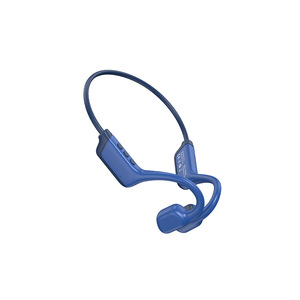
Sports Headphones Bone-Conduction Lightweight 32GB IP68 Waterproof Swimming Open-Ear BT MP3 Ear-Hook Push-Button Control
- IP68 Swimming Proof
- 32GB On-Board Storage
- Open-Ear Acoustic Tech
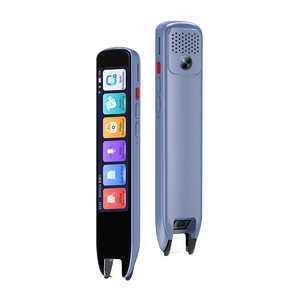
XPOD S60 PRO Android 5.0 Pen-Style TFT Touch Screen 1+8 GB 4.3-Inch Color Scanning Dictionary Smart AI Translator Translation
- Android 5.0 OS
- 4.3" Color TFT Screen
- Offline OCR Engine
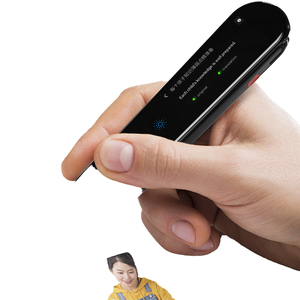
All-in-one Mini IPS Color Pen Reader Learning Dictionary English AI Translation Universal Scanning Wi-Fi 134 Languages
- 134 Online Languages
- Wi-Fi Cloud Sync
- IPS Display Screen
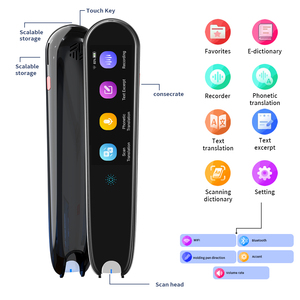
VORMOR X2 2.3 Inch AI Digital Dictionary Scanning Pen OEM Multi-Language Translation Reader Pen OCR Scanner Smart Pen
- High-Accuracy OCR
- 2.3-Inch Touch Screen
- Custom UI / Firmware
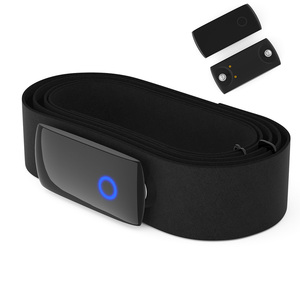
Smart Beat Flexible Heart Rate Chest Monitor Strap Ant+ bluetooth for Cycling Running Smart Belt Chest Heart Rate Monitor
- Dual ANT+ & BLE 5.0
- Medical-Grade ECG Sensor
- Ultra-Low Power Microcontroller
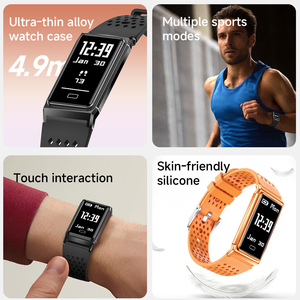
Glue Filled 5ATM Waterproof Smart Bracelet Heart Rate Spo2 Sleep Pedometer Women's Cycle Workout Fitness Tracker
- 5ATM Glue-Filled Water Seal
- SpO2 & Continuous HR
- Women's Health Tracking
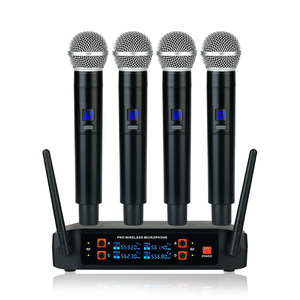
Wireless Microphone for Home Karaoke Conference & Performance-One Drag Four Model with 100Hz-20kHz Frequency Response 20km Range
- 1-Drag-4 Multi-Channel
- 100Hz-20kHz Audio Range
- UHF Ultra-Long Transmission
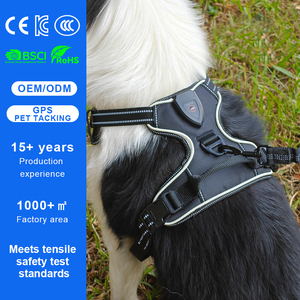
QCool Wholesale Smart OEM GPS Tracking Electronic Fence App Health Monitor One Key Find LED USB Waterproof Custom Pet Harness
- Real-Time GPS / Geo-Fence
- IP67 Waterproof Casing
- Custom App Platform
Technical Whitepaper: Engineering & Sourcing CE-Certified Wearable Devices
Navigating the global consumer electronics landscape requires a strict convergence of innovative hardware design, low-latency firmware development, and uncompromising regulatory compliance. As global brands, retail chains, and healthcare aggregators expand their smart product portfolios, selecting a qualified CE certified OEM wearable device supplier is no longer merely a commercial decision—it is a core risk-management protocol.
Consumer expectations for smart bands, health-tracking chest monitors, bone-conduction headsets, AI scanning pens, and connected pet wearables have transitioned from basic telemetry to clinical-grade accuracy, robust ingress protection (IP67/IP68/5ATM), and seamless wireless interoperability across iOS and Android ecosystems. Achieving these benchmarks requires advanced Surface Mount Technology (SMT) micro-assembly, specialized multi-sensor integration (PPG, ECG, IMU, GPS, OCR optical modules), and strict radio frequency (RF) tuning under European Union CE directives.
OEM Sourcing Insight: Hardware certification failure is the primary cause of customs impoundment and product launch delays in Western Europe and North America. Partnering with a factory maintaining self-owned ISO 9001:2015 accreditation, along with CE (RED), FCC Part 15, RoHS, and REACH documentation, reduces regulatory time-to-market by up to 60 days.
1. Hardware Architecture & Sensor Calibration Protocols
Modern wearable devices operate within strict thermal, spatial, and volumetric constraints. Designing a high-performance smartwatch or smart chest strap involves configuring ultra-low-power system-on-chips (SoC) such as Nordic Semiconductor nRF52/nRF53 series or Realtek RTL8762 platforms paired with high-efficiency Power Management Integrated Circuits (PMIC).
For biometric telemetry—specifically Photoplethysmography (PPG) and Electrocardiogram (ECG) tracking—optical sensor alignment and mechanical structural integrity dictate data fidelity. In items like our 5ATM Waterproof Smart Bracelet or Smart Beat Heart Rate Chest Strap, signal noise resulting from motion artifacts is mitigated through active digital filtering algorithms (Motion Artifact Cancellation) executed directly on the MCU. Glue-filled resin dispensing technologies are utilized to achieve genuine 5ATM/IP68 water resistance, eliminating micro-gaps surrounding sensor windows and charging contact pins.
2. AI-Powered OCR Optical Translation Hardware Systems
The miniaturization of optical character recognition (OCR) camera modules has empowered a new tier of portable educational smart hardware. Devices like the XPOD S60 PRO and VORMOR X2 Scanning Dictionary Pens demand high-speed CMOS image sensors coupled with specialized optical lens arrays capable of scanning printed text at high frame rates under varying ambient lighting conditions.
Executing real-time machine translation across 134 languages requires an optimized hardware-software stack. Embedded Linux or tailored Android OS platforms are deployed alongside multi-core processors capable of running light Neural Processing Units (NPU). This enables instant offline OCR recognition in sub-100 milliseconds, followed by cloud-assisted AI translation via dual-band Wi-Fi (2.4GHz/5GHz) modules.
3. Acoustic Engineering in Open-Ear Bone Conduction Wearables
Bone conduction audio technology bypasses the tympanic membrane by transducing audio signals into mechanical vibrations transmitted directly through the cranial bones to the inner ear. Engineering an IP68 fully waterproof swimming bone-conduction headset involves two major design obstacles: acoustic leakage prevention and structural sealing against immersion pressures.
Our engineering team utilizes fully enclosed acoustic vibration transducers housed in dynamic titanium alloy memory wire frames covered by skin-safe hypoallergenic silicone. By incorporating high-capacity 32GB embedded flash memory (eMMC) alongside Bluetooth dual-mode ICs, swimmers and endurance athletes can enjoy uncompressed audio playback underwater without relying on fragile Bluetooth transmission through water mediums.
| Wearable Category | Core Sensor & IC Stack | Ingress Protection Standard | Target Regulatory Framework |
|---|---|---|---|
| Smart Bands & Watches | Nordic nRF52840 / Realtek RTL8763E + VC9201 PPG + ST 3-Axis Accelerometer | IP68 / 5ATM Hydrostatic Sealed | CE (RED 2014/53/EU), FCC Part 15B, RoHS 2.0 |
| ECG Chest Straps | TI ADS1292 Medical Front-End + Dual BLE 5.0 / ANT+ Wireless Transceiver | IP67 Sweat & Wash Proof | CE RED, FCC ID, CA Prop 65, REACH SVHC |
| AI Scanning Pens | Allwinner/Rockchip Dual-Core NPU + High-Speed CMOS Optical Scanner + IPS Touch | Dry Operations / Standard Enclosure | CE EMC, FCC, WEEE, GCC Compliance |
| Bone Conduction Audio | Qualcomm QCC Series BT 5.3 + Bone Vibration Transducer + 32GB Flash | IP68 3-Meter Continuous Submersion | CE RED (Acoustic Safety EN 62368-1), ROHS |
Future Procurement Trends in Wearable Technology
Key technological shifts reshaping global OEM supply chains, hardware specifications, and B2B buyer requirements over the next decade.
1. Convergence of AI & Wearable Edge Computing
Next-generation smart wearables are shifting from passive data collection terminals to active edge-AI processing hubs. Integrated NPUs enable real-time arrhythmia detection, continuous sleep architecture analysis, and voice-activated AI assistant integration directly on the device, significantly reducing cloud bandwidth and latencies.
2. Strict Environmental & Circular Compliance
Global buyer procurement guidelines are enforcing stringent sustainability benchmarks. European regulations demand full transparency regarding raw material supply chains (conflict-free minerals), low-cadmium battery chemistry, recyclable packaging, and compliance with EU WEEE and RoHS directives.
3. Unified White-Label Companion Apps
Modern B2B importers no longer purchase standalone hardware; they acquire integrated hardware-software ecosystems. OEM platforms require fully white-labeled iOS/Android companion applications with customizable UI skins, localized servers (AWS/Google Cloud compliant with GDPR), and open RESTful APIs for corporate health platform integration.
Why Partner with Shenzhen Smareyetech Technology Co., Ltd.
Operating since 2010 and incorporated in 2013, Shenzhen Smareyetech Technology Co., Ltd. stands as a premier OEM/ODM manufacturer specializing in high-reliability smart wearables, AI speech hardware, and connected IoT electronics. Situated in the engineering hub of Shenzhen, China, our 10,000+ square meter manufacturing facility houses full-process SMT surface-mount lines, dust-free assembly cleanrooms, automated optical inspection (AOI) labs, and rigorous reliability testing chambers.
-
Uncompromising Quality Standard: While consumer electronics industry defect rates average between 2% and 5%, Smareyetech maintains a mass-production defect rate strictly below 0.3% through rigid 4-step quality control.
-
In-House R&D Engineering: Over 70 experienced engineers specialized in PCB hardware layout, RF antenna optimization, embedded C/C++ firmware tuning, iOS/Android native app development, and structural mold engineering.
-
8 Factory-Held Certifications: Fully certified ISO 9001:2015 factory holding self-owned compliance documentation including CE (RED), FCC Part 15, RoHS, REACH, WEEE, CA Prop 65, and GCC test reports.
-
100% Client Intellectual Property Protection: Complete non-disclosure agreements (NDAs) signed prior to technical exchange. All custom tooling molds, firmware source codes, and app assets remain 100% client-owned.
Our Automated 4-Step Quality Control Protocol
To guarantee zero-defect shipments across international borders, every production lot undergoes a comprehensive quality assurance sequence:
Step 1: Automated SMT & Optical Inspection
100% 3D Solder Paste Inspection (SPI) and Automated Optical Inspection (AOI) to verify micro-component positioning prior to reflow soldering.
Step 2: 48-Hour Battery & Burn-In Aging
Continuous charge/discharge cycle testing under elevated thermal conditions to isolate early component fatigue and verify PMIC stability.
Step 3: Hydrostatic Water Pressure Testing
100% air-pressure and water-chamber vacuum testing confirming exact IP67, IP68, or 5ATM sealing integrity for aquatic sports hardware.
Step 4: Full RF & Functional Calibration
Testing Bluetooth signal power (dBm), GPS cold-start locking times, touch screen responsiveness, and sensor calibration via automated test jigs.
Frequently Asked Questions (FAQ)
Essential answers regarding Minimum Order Quantities (MOQs), certification validation, lead times, and custom ODM engineering.
Start Your OEM Wearable Manufacturing Project
Partner with an established, ISO 9001 certified OEM factory in Shenzhen. Request our comprehensive product catalog, engineering specifications, and wholesale B2B pricing today.