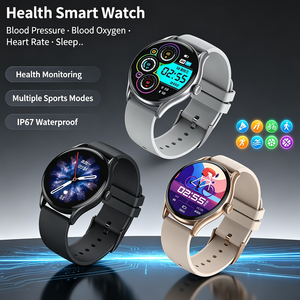
Product Portfolio & Wearable Integration
CE-Certified Smart Health & Body Monitoring Ecosystem
Explore our market-validated, OEM/ODM ready hardware platforms engineered for high-precision biometrics, health tracking, and smart home connectivity.
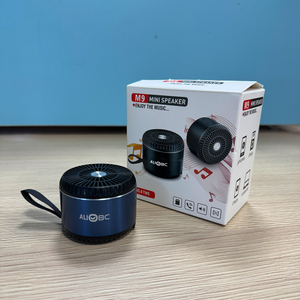
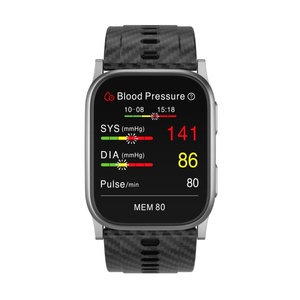

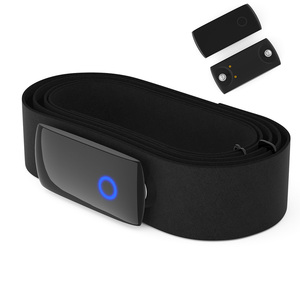

Engineering Whitepaper & Technical Deep Dive
Bioelectrical Impedance Analysis (BIA) Architecture & Precision Physics
Understanding the electrical circuit design, multi-frequency algorithm validation, and sensor calibration metrics that separate medical-grade body scales from low-cost consumer gadgets.
Dual-Frequency vs. Single-Frequency BIA
Traditional entry-level body fat scales rely on single-frequency AC excitation (typically 50 kHz). At 50 kHz, electrical current passes primarily through extracellular fluid (ECW), estimating intracellular water (ICW) via static mathematical assumptions. This leads to measurement variances exceeding ±5% based on daily hydration shifts.
Our CE-certified digital fat scale platforms utilize Dual-Frequency BIA (5 kHz low frequency & 250 kHz high frequency). The 5 kHz signal measures extracellular resistance, while the 250 kHz signal penetrates cell membranes to measure total body water (TBW). This dual-pathway circuit yields accurate separation between ICW and ECW, ensuring clinical-grade body fat percentage calculation.
G-Type Manganese Load Cell Sensors
Weight accuracy underpins every body composition algorithm. We construct our scales with four high-precision G-type manganese steel strain gauge sensors integrated into independent corner nodes. Each sensor features internal temperature compensation circuitry operational from -10°C to +55°C.
Capable of detecting weight increments down to 50 grams (0.1 lbs) with a maximum load capacity of 180kg / 400lbs, the analog-to-digital converter (ADC) processes raw voltage signals at 24-bit resolution. Integrated digital filtering eliminates foot motion artifacts, ensuring baseline consistency across repeated weight measurements.
Full-Surface ITO Coating vs. Stainless Electrodes
Traditional scales utilize four visible stainless steel metal electrode pads, forcing users to place their feet on exact contact points. If the foot is misaligned by even 1.5 cm, contact impedance spikes, causing measurement failures.
Our premium export models utilize Indium Tin Oxide (ITO) conductive film coating vacuum-deposited directly onto 6mm architectural tempered glass. ITO coating provides 100% surface conductivity, allowing users to step anywhere on the scale platform while maintaining uniform impedance sensing across 25+ physiological parameters.
R² ≥ 0.95
DEXA Scan Correlation Coefficient
25+
Body Composition Metrics Measured
50g
Weight Resolution Precision
< 0.3%
Factory Mass Production Defect Rate
Export Compliance & Standards
CE Certification & EU Market Compliance Whitepaper
Detailed regulatory roadmap for international distributors, brand owners, and retail buyers importing smart scales into the European Economic Area (EEA) and global territories.
Radio Equipment Directive (RED 2014/53/EU)
Smart digital fat scales featuring Bluetooth 5.0/5.3 LE or Dual-Band 2.4GHz Wi-Fi radio modules must strictly meet RED requirements to enter the EU market. Our factory provides complete EU Declaration of Conformity (DoC) and Notified Body test reports covering:
- ETSI EN 300 328: Wideband transmission systems operating in the 2.4 GHz ISM band.
- ETSI EN 301 489-1/-17: Electromagnetic Compatibility (EMC) standard for radio equipment.
- EN 62479 / EN 50663: Human exposure assessment to low-power electromagnetic fields.
Low Voltage Directive (LVD) & Electrical Safety
Even battery-operated and USB-C rechargeable scale devices require comprehensive electrical safety testing under EN 61010-1 (Safety requirements for electrical equipment for measurement, control, and laboratory use). Test parameters include:
- Dielectric voltage withstand testing to prevent user shock under moist bathroom conditions.
- Mechanical impact resistance testing (drop test of 1.1 meters on tempered glass platform).
- Thermal stress evaluation for integrated Lithium-Polymer (LiPo) battery charge protection circuits.
RoHS 2.0 (2011/65/EU & 2015/863) & REACH
All structural plastics, ITO glass layers, internal wire harnesses, and solder joints pass strict chemical testing by accredited labs (SGS/TÜV Rheinland). We guarantee zero presence of 10 restricted hazardous substances:
Lead (Pb), Mercury (Hg), Cadmium (Cd), Hexavalent Chromium (Cr6+), PBBs, PBDEs, and phthalates (DEHP, BBP, DBP, DIBP). Full REACH Annex XVII SVHC (Substances of Very High Concern) screening dossiers are supplied with every OEM order.
Consumer Wellness vs. EU MDR 2017/745 (Class Im / IIa)
A critical point of Information Gain for enterprise buyers: Standard consumer digital fat scales are regulated under general product safety directives as Wellness Devices. However, if marketing claims explicitly advertise "clinical diagnosis of obesity" or "cardiovascular risk detection", the product transitions into EU MDR 2017/745 Class Im (Measuring Function).
Our regulatory team supports clients with both pathways: standard consumer wellness compliance dossiers or medical-grade technical documentation for MDR registration assistance.
 SGS Certified Reports
 TÜV Rheinland Audited
 ISO 9001:2015 Facility
Strategic Sourcing Insights
Future Sourcing & Tech Trends for Digital Fat Scales (2026–2030)
Anticipating consumer shift and hardware convergence: How smart scale hardware will evolve over the next five years and what global buyers must specify today to stay competitive.
1. 8-Electrode Segmental Analysis
The market is rapidly shifting from 4-foot electrode scales to 8-electrode dual-bar handle scales. By adding a retractable hand electrode bar, electrical current is measured across 5 distinct body segments: right arm, left arm, trunk, right leg, and left leg.
This isolates abdominal visceral fat from limb muscle mass, providing precise body composition data essential for fitness enthusiasts, clinical weight-loss centers, and bio-tracking startups.
2. Matter Protocol & SDK Connectivity
Isolated standalone apps are losing consumer appeal. Future-proof procurement demands scale platforms equipped with Matter-over-Wi-Fi and open REST APIs / iOS & Android SDKs.
Our OEM app framework seamlessly syncs real-time weight, skeletal muscle, hydration, and BMR metrics directly with Apple HealthKit, Google Health Connect, Samsung Health, and corporate telehealth platforms without user friction.
3. Cardiovascular Biometric Fusion
Smart scales are evolving into multi-modal health check stations. Modern scale chipsets now integrate ECG sensor pads and pulse wave velocity (PWV) sensors directly into the glass plate.
In a single 15-second standing measurement, users receive body composition, heart rate, vascular age, and heart rate variability (HRV) metrics, transforming a simple bathroom scale into a preventive health dashboard.
4. Sustainable & Eco-Power Hardware
Global retailers (especially in the EU) are phasing out single-use alkaline AAA batteries due to environmental directives. 2026 procurement specs favor scales with USB-C rechargeable 500mAh Lithium-Polymer cells or ambient indoor solar micro-panels.
Combined with PCR (Post-Consumer Recycled) plastic housing options, brands reduce supply chain carbon footprint while increasing product lifecycle value.
B2B Purchasing Benchmark
Supplier Evaluation Matrix: Standard Trader vs. Smareyetech
Protect your brand margin, avoid customs holds, and ensure zero mass recalls by evaluating factory engineering capabilities before issuing purchase orders.
| Evaluation Parameter | Typical Low-Cost Scale Supplier | Smareyetech OEM/ODM Factory Standard | Procurement Buyer Benefit |
|---|---|---|---|
| BIA Measurement Tech | Single Frequency (50 kHz), static equation lookup | Dual Frequency (5 kHz + 250 kHz) BIA | Eliminates hydration error; DEXA correlation R² ≥ 0.95 |
| Glass Platform Material | 4mm standard glass with glued metal patches | 6mm Architectural Tempered Glass + Full ITO Coating | 100% surface contact, high durability & sleek luxury aesthetic |
| Load Cell Sensors | Recycled strain gauge components without temp protection | 4x G-type Manganese Sensors with Temp Compensation | 50g high precision; baseline stability from -10°C to +55°C |
| Factory Quality Control | AQL 1.5 / 4.0 spot checks; no full battery aging | 4-Step Full Inspection (Functional, Aging, Pressure, Drop) | Standard defect rate < 0.3% (vs industry 2–5%) |
| CE Certification Integrity | Generic self-declaration without RED/EMC lab reports | Complete CE (RED, LVD, EMC), RoHS, REACH Test Dossier | Zero risk of EU customs seizures or Amazon listing suspensions |
| Firmware & App Customization | Fixed third-party shared app with mandatory ad banners | 70+ In-House R&D Team: SDK/API & White-Label App | Full customer data ownership, seamless brand experience |
| IP Ownership & Molds | Shared public molds sold to competing brands | 100% Client-Owned Private Molds & Firmware NDA | Protected product differentiation in target markets |
Factory Infrastructure & Capacity
Shenzhen Manufacturing Headquarters & OEM Excellence
Operating since 2010, Shenzhen Smareyetech Technology Co., Ltd. provides end-to-end hardware engineering, SMT assembly, and global supply chain services for premier brands.
10,000+ sqm Production Base
Our modern manufacturing facility features dedicated dust-free cleanrooms, 8 automated high-speed Panasonic SMT lines, ultrasonic welding stations, precision weight calibration rooms, and automated drop/vibration testing rigs.
70+ In-House R&D Engineers
Our engineering department spans industrial design, mechanical tooling, PCB layout engineering, embedded C/C++ firmware development, bio-algorithm tuning, and native iOS/Android application development.
Rapid Prototype & Turnkey Delivery
Standard prototype samples ready in 10–15 days (7-day rush available). White-label mass production delivered in 15–25 days; full custom OEM projects delivered in 30–45 days with strict DDP / Amazon FBA support.
Frequently Asked Questions
B2B Buyer FAQ: CE Certified Digital Fat Scale Sourcing
Clear, direct answers regarding MOQs, compliance certificates, software customization, lead times, and factory verification for international procurement managers.
What is the MOQ for CE certified digital fat scale OEM/ODM projects?
We offer flexible MOQ structures: White-label customization (logo laser engraving on glass and custom gift box) starts at 500 units. Full OEM customization (custom casing colors, custom LCD/LED display layout, custom firmware boot logo, and customized companion app branding) starts at 1,000 units. Custom ODM hardware mold development starts at 3,000 units.
How do you verify CE compliance for European importers?
We provide complete, non-blacked-out technical construction files (TCF) including RED (2014/53/EU) test reports, EMC (EN 301 489) certificates, LVD electrical safety reports, and chemical test certificates for RoHS 2.0 and REACH Annex XVII issued by ISO 17025 accredited labs like SGS and TÜV Rheinland.
What is the accuracy difference between 4-electrode and 8-electrode fat scales?
4-electrode scales measure impedance exclusively through the lower body (leg to leg) and use statistical equations to estimate upper body composition. 8-electrode scales add a dual-hand electrode bar, measuring five independent body segments (left/right arm, trunk, left/right leg). This reduces body fat estimation error from ±4% down to ±1.5% when compared against DEXA scans.
Can you integrate scale data into our company’s existing iOS / Android mobile app?
Yes. Our software team provides comprehensive Bluetooth LE SDKs and API documentation for iOS and Android. Your app developers can capture raw weight, impedance, and calculated body composition metrics directly within your proprietary app. We also provide turnkey white-label apps fully customized with your brand logo, color palette, and app store listing.
What quality control protocols prevent glass breakage during transit?
Every glass batch undergoes thermal tempering quality verification. Assembled scales undergo a 1.1-meter 6-sided drop test inside final retail packaging, vibration transport simulation (ISTA 1A standard), and edge pressure loading. Internal packaging utilizes high-density molded EPE foam corners to absorb shock during ocean freight or courier transit.
What warranty and after-sales support do you provide for bulk orders?
All scales carry a 12-month factory quality warranty. We supply 1% FOC (Free of Charge) spare units or key components (load cells, mainboards, foot pads) with every mass production batch. In the event of functional manufacturing defects exceeding 0.3%, we provide immediate replacement or credit refunding in accordance with our supply contract terms.
Start Your CE Certified Smart Scale OEM/ODM Project Today
Partner with a verified Shenzhen manufacturing leader. Contact our engineering and procurement team for technical spec sheets, sample requests, and competitive wholesale quotations within 24 hours.