0%

Choosing an Ultra Thin Waterproof Smartwatch means balancing comfort, durability, and useful features. A watch that feels light on your wrist can be easier to wear during a commute, a workout, or a full night’s sleep. But a thin case should not come at the expense of a secure strap, readable screen, or reliable battery life.

Apple co-founder and technology-design expert Steve Jobs once said, “Design is not just what it looks like and feels like. Design is how it works.” That idea applies well to choosing a smartwatch. A polished case is only part of the decision. Check the stated water-resistance rating and the manufacturer’s guidance for swimming, showering, and salt water. “Waterproof” can sound absolute. In practice, it is not. Seals can wear, and water resistance may change over time.

Look closely at the details you will notice each day: the watch’s thickness under a shirt cuff, the weight against your wrist, and whether the display stays clear in bright sunlight. Compare battery claims with the features you plan to use, such as GPS or continuous heart-rate tracking. A longer list of functions is not always better. Some specifications are difficult to judge before wearing the device, and reviews cannot fully predict how it will feel on your wrist. Try it on if you can. Then choose the Ultra Thin Waterproof Smartwatch that suits your routines, not just its product photos.
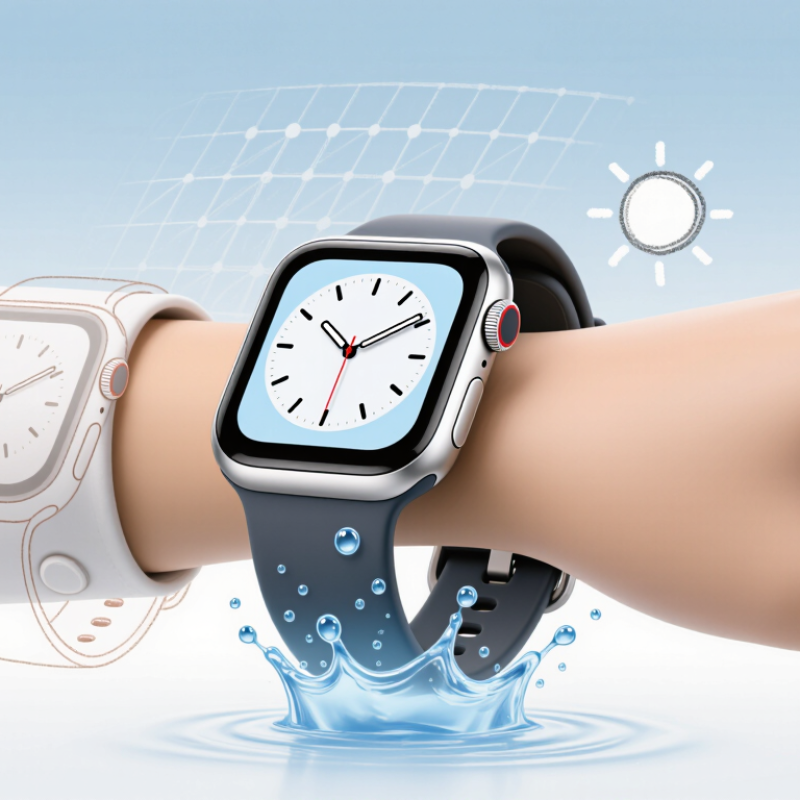
How to Choose an Ultra Thin Waterproof Smartwatch?

Identify Your Main Needs and Typical Use Cases

Before comparing an ultra-thin waterproof smartwatch, consider what you want it to do on an ordinary day. Do you mainly need step counts, message alerts, sleep tracking, or workout data? A narrow watch can feel comfortable under a shirt cuff, but a small case may leave less room for a large battery or easy-to-read screen. Decide which trade-offs matter to you.

Think about where you will wear it. For desk work and commuting, a light case, clear notifications, and a strap that stays comfortable for hours may matter most. For running, check whether the screen is readable outdoors and whether the watch tracks your usual activities. If you swim, verify its stated water-resistance rating and the conditions covered; “waterproof” alone does not explain depth or duration. Small details count.

I once underestimated strap fit. By afternoon, a loose watch had shifted during typing, and its readings seemed less useful. Try the fit if possible, and check whether the strap can be adjusted securely without pinching. Consider your charging routine, too: a slim design that needs frequent charging may not suit overnight sleep tracking. Not every feature needs to be perfect. Choose around your real habits, not a list of specifications you may rarely use.

How to Choose an Ultra-Thin Waterproof Smartwatch

Match Water Resistance to Your Typical Use

Use your most demanding regular activity to guide your choice: 3 ATM is generally suited to splashes and rain, 5 ATM is commonly recommended for swimming, and 10 ATM offers more protection for activities such as snorkeling. These are general guidelines, not guarantees—ATM ratings do not indicate a safe diving depth. Check the watch maker’s specific guidance, and prioritize comfort and a slim profile if water exposure is limited to everyday use.

Compare Case Thickness, Weight, and Wrist Fit

How to Choose an Ultra Thin Waterproof Smartwatch?

Compare Case Thickness, Weight, and Wrist Fit

An ultra-thin case can slide neatly under a shirt cuff, but thickness alone does not predict comfort. Compare the watch’s stated thickness and weight, then check where the case back sits on your wrist. A broad case may press against the wrist bone, even when it looks slim on paper. Fit is personal. Try it on if possible.

IDC reported 506.7 million wearable-device shipments worldwide in 2023. That figure describes a crowded category, not a universal fit standard. For a useful comparison, check published case measurements and weigh the watch with its strap attached. Walk, bend your wrist, and notice whether the edges catch or the strap shifts. A snug fit should not leave a deep mark. Small details matter.

Waterproof claims deserve a separate check. ISO 22810:2010 sets test requirements for water-resistant watches; a slim case does not prove water protection. Match the rating to your actual use, and check the maker’s care guidance. I would not trust a single “lightweight” label. Wrist shape, strap material, and sensor contact can change the feel. A little trial and error is normal.

Check Water-Resistance Ratings Against Your Activities

For an ultra-thin waterproof smartwatch, match the rating to the water it will actually meet. For handwashing or rain, basic splash resistance may be enough. For swimming, check that the maker explicitly permits pool or open-water use. An IPX7 rating describes immersion up to 1 metre for 30 minutes under IEC 60529 test conditions; it is not, by itself, a swimming recommendation. That distinction matters. Water movement, temperature changes, and repeated use can differ from a controlled test.

Look for the test standard and any stated depth, duration, or activity limits. ISO 22810:2010 sets requirements and test methods for water-resistant watches, while IPX8 conditions depend on the specific product. A larger number alone does not tell the whole story. Check whether buttons or the charging port must stay dry, and avoid operating controls underwater unless the instructions allow it. After saltwater or chlorinated-pool use, rinse the watch with fresh water and dry it carefully. Thin designs can be appealing, but a slim case does not prove stronger sealing. I would treat vague “waterproof” wording cautiously; seals can wear, and the exact limits are easy to overlook.

Evaluate Health, Smart Features, Battery Life, and Compatibility

An ultra-thin waterproof smartwatch should feel unobtrusive, but slimness alone does not guarantee a good choice. Try it on and move your wrist; a raised edge can catch on a sleeve or feel uncomfortable at a desk. Fit matters. Check the stated water-resistance rating and the activities it covers. “Waterproof” is not a promise for every depth, duration, or type of water. For health tracking, look for features you will actually use, such as heart-rate trends, sleep estimates, or step counts. Treat these readings as useful indicators, not medical diagnoses. They can vary with fit and movement.

Smart features should make daily tasks easier, not add constant distractions. Check whether notifications, music controls, or contactless payments work with your phone and preferred apps. Battery life depends on settings. Frequent GPS use, bright screens, and continuous health tracking can shorten it, so compare realistic usage estimates rather than the best-case figure. A quick charge may help, but it does not replace a battery that suits your routine.

Compatibility deserves a practical test. Confirm your phone’s operating system supports the watch’s companion app, and check which features require a particular phone or account. If possible, try the display outdoors and test its controls with damp fingers. Small details matter. My checklist is not perfect; wrist shape and daily habits can change what feels comfortable. Leave room for that uncertainty, and choose the watch whose trade-offs make sense for your everyday use.

Compare Build Quality, Warranty, and Overall Value

An ultra-thin waterproof smartwatch should feel light without seeming flimsy. Inspect the case edges, screen fit, charging contacts, and strap attachment. Run a finger around the seams; rough gaps may collect sweat or dust. Check the clasp. A secure strap matters when sleeves brush the watch or hands get wet. If possible, press the buttons and move your wrist before buying. A thin case can be comfortable, but tiny buttons may be harder to use. I would not treat a glossy finish as proof of durability; that is an easy assumption to make.

Read the water-resistance rating and warranty terms together. A rating describes tested conditions, not every real-world use, and warranty coverage may exclude moisture damage. Look for clear limits, coverage length, repair options, and who pays return shipping. Keep the receipt and save the warranty page. Small details matter. Compare the total price with expected battery life, replacement-strap availability, and customer support access. A lower price may be worthwhile if the watch has a solid case and straightforward service. Still, warranty wording can be vague, and I would ask for clarification before relying on it. A clear answer is part of the product’s value.

FAQS

What should I consider before choosing a slim smartwatch?

Start with your daily needs, such as step counts, message alerts, sleep estimates, or workout data. Choose features you will use.

Does a thinner case always feel more comfortable?

No. A broad case can press against your wrist bone, even when it looks slim. Try bending your wrist and wearing it under a shirt cuff.

How can I check whether the watch fits securely?

Walk, type, and move your wrist. Check whether the strap shifts, pinches, or leaves a deep mark. Fit matters.

What should I check before swimming with a smartwatch?

Read its stated water-resistance rating and care guidance. Check the covered conditions, including depth and duration. “Waterproof” alone is not specific enough.

Are smartwatch health readings medical diagnoses?

No. Heart-rate trends, sleep estimates, and step counts are indicators. Fit and movement can affect their accuracy.

How do I judge battery life for my routine?

Compare estimates for realistic use. GPS, a bright screen, and continuous tracking can drain the battery faster. Overnight tracking needs enough charge.

What compatibility details should I verify?

Confirm your phone supports the companion app. Check whether notifications, music controls, payments, or other features need a specific phone or account.

What small details are easy to overlook?

Try the display outdoors and test the controls with damp fingers. I may miss something; wrist shape and daily habits can change what feels right.

Conclusion

Choosing an Ultra Thin Waterproof Smartwatch starts with understanding how you plan to use it, whether for everyday wear, exercise, swimming, or travel. Consider case thickness, overall weight, and how comfortably the watch sits on your wrist throughout the day. A slim design should feel unobtrusive without sacrificing a secure fit or easy-to-read display.

Next, match the water-resistance rating to your actual activities, and compare health tracking, notifications, battery life, and compatibility with your phone. Check that the features you value are practical and easy to use, rather than relying on a long list of extras. Finally, assess the materials, construction, warranty, and price together. The best choice is a well-made watch that suits your routine, offers dependable performance, and provides lasting value.

Ethan

Ethan

Ethan is a professional marketing specialist with a strong understanding of product strategy, customer needs, and digital communication. As a key contributor to our company, he regularly researches industry developments, studies market trends, and transforms complex product information into clear,......